
7 Inspections 100-Year-Old Homes Need That New Builds Don't


In this post
- 1. Foundation and structural evaluation
- 2. Electrical evaluation by a licensed electrician
- 3. Plumbing evaluation and sewer scope
- 4. Roof inspection, with the historic district in mind
- 5. Chimney and fireplace inspection
- 6. Termite and wood-destroying insect inspection
- 7. HVAC and ductwork retrofit assessment
- The trade-off, honestly
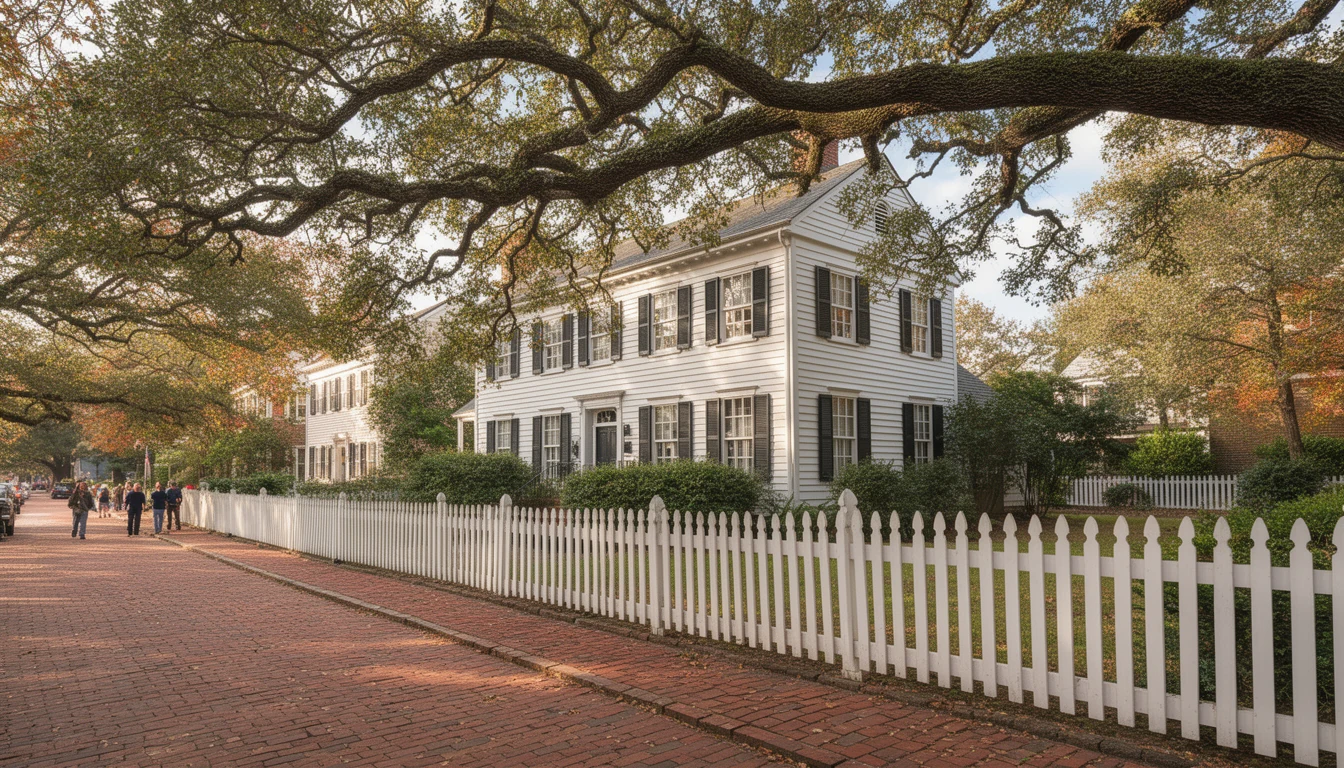
Edenton’s historic district is one of the most intact pre-1900 streetscapes in the South, and a good share of the houses on those brick sidewalks were built before electricity was standard, before indoor plumbing was a given, and long before central air conditioning existed. A standard home inspection is a start on a century-old house. It is not enough. New construction comes with modern wiring, modern drains, and a builder’s warranty. A 1900-era frame in Chowan County comes with whatever a century of owners left behind, and the expensive surprises live in places a generic checklist never reaches.
Here are the seven inspections that matter on a 100-year-old home in Edenton that a new build simply doesn’t need.
1. Foundation and structural evaluation
A new build sits on engineered footings with a warranty. An old Edenton house sits on brick piers and masonry foundations that have been settling since long before the Model T. Floors that slope, doors that bind, and cracks that stair-step up a wall are common on historic homes, and common is not the same as fine. A licensed structural engineer, not the general inspector, is the right person to say whether the settlement is historic, meaning the house finished moving decades ago, or active, meaning water is washing out a pier. And make sure whoever goes under the house actually goes under the house: on older homes, the crawl space is where the expensive surprises live, and some inspectors will not enter a tight one.
2. Electrical evaluation by a licensed electrician
Knob-and-tube wiring was the standard way to wire American homes from roughly 1880 into the 1940s, and it still shows up in Edenton’s oldest houses. It is an ungrounded two-wire system, and the insulation on the conductors gets brittle with age. A general home inspector can flag it; a licensed electrician should evaluate it. The same visit covers cloth-insulated wiring, the service panel (many old homes still carry 60-amp or 100-amp service when modern use wants 200), and any do-it-yourself additions from past decades. Expect this to be a negotiation item, not a deal-killer: rewiring a historic home is expensive, and the quote belongs in your due diligence math before you write the offer, not after.
3. Plumbing evaluation and sewer scope
A century of plumbing means galvanized steel supply lines that corrode from the inside, cast iron drains that scale up, and solder joints that may contain lead. Water that still flows can be hiding reduced pressure or rust that a visual check never catches. Ask your plumber to run the lines at full pressure while you watch, and add a camera scope of the sewer line: old clay and cast iron laterals in Edenton tend to fail at the joints, and digging up a line under an established yard can run into five figures. A documented plumbing evaluation gives you the exact list to hand the seller during the repair negotiation.
4. Roof inspection, with the historic district in mind
In Chowan County, a full roof replacement runs roughly $8,500 to $16,000, and on a century-old home the material matters as much as the condition. Wood shingles, slate, and standing-seam metal are the traditional roofs on Edenton’s old houses. If the house sits inside the local historic district, changing the roofing material requires a Certificate of Appropriateness from the Historic Preservation Commission. That means the roof section of your due diligence is two documents, not one: the inspector’s assessment of remaining life and flashing, and the commission’s rules for what you can put back up there. Neither one is a surprise you want after closing.
5. Chimney and fireplace inspection
Wood-burning fireplaces were the heating system when these houses were built, and masonry that was fine in 1910 is often not fine now. Cracked flue liners, missing caps, and crowns that let water in are the common findings, and an unlined or deteriorated flue is a fire risk you cannot see from the living room. If you plan to burn wood, the Chimney Safety Institute of America recommends an annual inspection of chimneys, fireplaces, and vents; at minimum, have a Level 2 inspection with a camera before you close. If the chimney is decorative, cap it properly and get it in writing that it is out of service.
6. Termite and wood-destroying insect inspection
North Carolina sits in the highest termite-infestation probability zone in the country, and NC State Extension is blunt: if you own a home here, crossing paths with the eastern subterranean termite is nearly guaranteed. A century-old frame offers a lot of wood sitting near a lot of damp ground, so the wood-destroying insect inspection is not optional on an old Edenton house. Ask the pest company for the full report, confirm whether the property has an active treatment bond and whether it transfers to you, and check the repair history: past termite damage that was repaired well is a fact, not a deal-killer. Active infestation is a different conversation entirely.
7. HVAC and ductwork retrofit assessment
Nobody built ductwork into a house in 1910, which means the system in an old Edenton home is a retrofit, and retrofits are where corners get cut. Undersized returns, ducts running through unconditioned crawl spaces and attics, and equipment squeezed into spaces it was never designed for are the norm. Have the HVAC contractor verify the system actually heats and cools on demand, check the age on the nameplate (the rule of thumb is that a system past 15 years in NC heat is at end of life), and look at duct condition and insulation. Add an energy audit if you want the full picture: century-old houses were built without wall insulation, and the audit tells you where your heating dollars will go before you buy.
The trade-off, honestly
Buying a 100-year-old home in Edenton means accepting a maintenance calendar that starts on day one. New construction hands you warranties; a historic house hands you a century of accumulated decisions, some good, some questionable. That is the price of living on a brick sidewalk with the sound at the end of the street, in a house no one is building anymore. These seven inspections turn the risk into a list: a documented electrical evaluation, a scoped sewer line, a roof plan that clears the commission, and a termite report with a transferable bond. Budget for them during due diligence and you are buying a house you understand. Skip them and you are buying whatever the last owner forgot to tell you.
Data note: inspection requirements, insurance rules, and historic district regulations change over time. Confirm current requirements with your inspector, the Town of Edenton Historic Preservation Commission, and your lender before making decisions based on this article.
Keep reading
How Edenton's Colonial Grid Shapes What You Buy
Edenton was laid out as a colonial capital. Here's how the 1722 street grid still shapes parking, lot lines, and renovation rules today.

Sound-Front Due Diligence on Edenton Bay: What to Check
How CAMA's 75-foot shoreline rule, permit records, bulkhead alignment, and flood insurance shape an Edenton sound-front purchase.
What NC Buyers Risk When They Back Out in Edenton
A 2022 NC Supreme Court ruling confirmed buyers who breach a purchase contract can owe attorney's fees. What it means for Edenton buyers.