


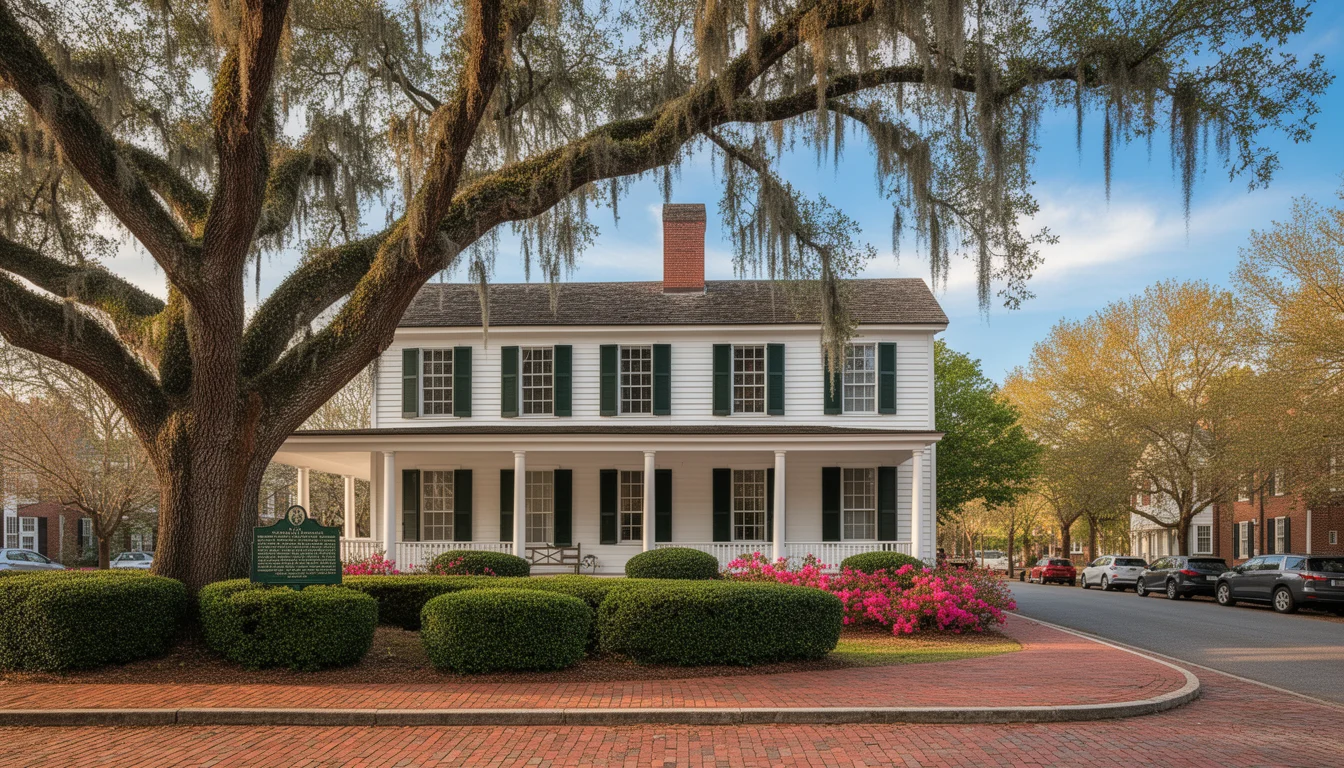
Edenton’s historic district is one of the most intact colonial-to-Victorian streetscapes in the South — twenty-odd blocks of Federal, Greek Revival, and Colonial Revival homes that survived the Civil War, the Depression, and the 20th century largely by being overlooked. If you’re buying here, you’re not just buying a house. You’re buying into a regulatory framework designed to make sure the next owner gets the same view you fell for.
That framework is governed by Edenton’s Historic Preservation Commission, and the primary tool is the Certificate of Appropriateness (COA). Here’s what that actually means for what you can — and can’t — change.
The COA: What It Is and When You Need One
A Certificate of Appropriateness is a permit from the local historic commission that says your proposed exterior change is compatible with the historic character of the district. It applies to any “material change” to the exterior of a building within the locally designated historic district.
You need a COA for:
- Replacing windows or doors (even with “similar” styles — material, profile, and trim matter)
- Changing roofing material (especially switching from original material like wood shingles or standing-seam metal to asphalt)
- Replacing or covering siding (vinyl over original wood clapboard is a common request that often gets denied)
- Additions of any kind that change the building’s footprint or volume
- New construction, fences, walls, and outbuildings visible from the street
- Demolition — partial or full — which typically triggers a public hearing and a demolition delay period
You generally do NOT need a COA for:
- Interior work. The commission’s jurisdiction stops at the exterior walls. Renovate kitchens, bathrooms, and floor plans without commission review.
- Ordinary maintenance and repair in-kind — replacing a rotted clapboard with the same wood species, repointing brick with matching mortar, fixing a porch step with the same material
- Landscaping — planting, pruning, and general yard maintenance (though separate tree-protection ordinances may apply)
- Paint colors. In most North Carolina Certified Local Government districts, paint color is not regulated by the historic commission — and Edenton follows that pattern. You can paint your historic home any color you’d like without COA review. (Always confirm the current rules with the commission, as guidelines can be updated.)
One critical distinction: the COA is a local approval. It is entirely separate from the state and federal historic tax credit certification process. A COA governs what you may change. The tax credit certification governs whether your rehabilitation expenses qualify for a state tax break. You need both reviews for a renovation that intends to claim the credit, but they are two separate approvals from two separate bodies.
The Application Process
The standard process in North Carolina CLG municipalities looks like this:
-
Pre-application. Meet with planning staff to discuss your proposed changes before filing. This step is optional but saves time — staff can flag issues before you pay for architectural drawings.
-
Application. Submit detailed plans, material samples, and photographs to the commission (usually through the planning department). For minor work, some towns allow administrative approval by staff without a full commission hearing.
-
Commission review. The application is placed on the next commission meeting agenda. The commission evaluates the proposal against the adopted design guidelines for the district — typically based on the Secretary of the Interior’s Standards for Rehabilitation, adapted for Edenton’s specific architectural context.
-
Decision. The commission can approve, approve with conditions, or deny the COA. Denied applicants can appeal to Town Council.
-
Timing. Minor projects (window replacement, siding repair) can often be reviewed in a single monthly meeting cycle. Major projects (additions, new construction, demolition) take longer — plan on 60–90 days from application to decision for anything structural.
For exact application forms, fees, and meeting schedules, contact the Town of Edenton’s Planning Department directly at townofedenton.com.
What This Means When You’re House-Hunting
If you’re looking at a historic home in Edenton, the commission’s guidelines are not a burden to work around — they’re a constraint to price into your offer. A house with original wood windows that need replacing will cost more to renovate than one where they’ve already been restored. A property that needs a new roof is a negotiation point. A house that needs a full addition to work for your family may require a longer timeline and an architect who understands the Standards.
The good news: historic designation protects your investment. Because every property in the district faces the same rules, no neighbor can slap vinyl siding on a Federal-era home or install a front door from Home Depot. The streetscape you bought into is legally protected.
The Tax Credit Angle
If you’re planning a substantial renovation (more than $10,000 in qualified work within 24 months), North Carolina offers a 15% state income tax credit for owner-occupied historic homes. The credit is active through the current sunset date of January 1, 2030, with work placed in service by January 1, 2032.
Your home must be listed individually on the National Register of Historic Places or be a contributing building within a National Register historic district — which most homes in Edenton’s historic core are, but it’s parcel-specific. Verify a specific address on the state’s HPOWeb map at gis.ncdcr.gov before counting on the credit.
The federal 20% credit that many articles lead with? That applies to income-producing properties — B&Bs, rentals, commercial spaces. If you’re buying to live in the home, it does not apply to you. Focus on the NC 15% credit, which has a $10,000 minimum spend and can carry forward up to nine years if your tax liability doesn’t exhaust it in the first year.
The Bottom Line
Buying in Edenton’s historic district means you have a partner in every exterior decision: the Historic Preservation Commission. That partnership protects the character that made you look at Edenton in the first place. Learn the rules, budget for them, and work with contractors who know the Standards — and the COA process becomes a feature, not a headache.
This article is for informational purposes only. Historic preservation rules, COA requirements, and tax credit details are set by the Town of Edenton, the NC State Historic Preservation Office, and the NC Department of Revenue, and are subject to change. Verify current requirements with the town’s Planning Department and a qualified professional before relying on them. Equal Housing Opportunity.