
Edenton: A Water Town Where History and Seasons Line Up

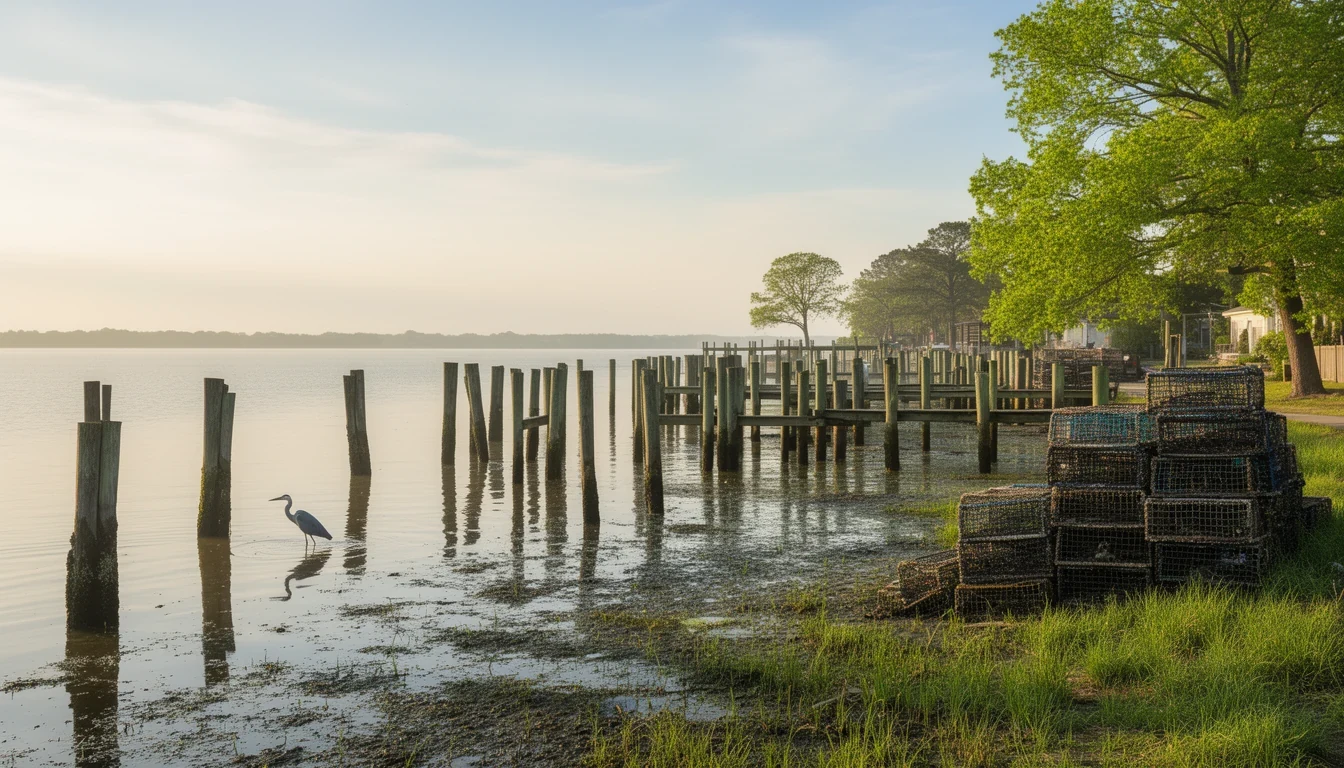
You smell the brackish water before you see it. Turn off the 17 bypass and head down East King Street, and somewhere past the 1767 Chowan County Courthouse the air shifts to salt, creek mud, and creosote from dock pilings. Halyards clink against masts at the town dock. A heron works the shallows. Edenton sits on a bay off the Albemarle Sound, and that water runs the rhythm of the place, from crab pots stacked by the boat ramp to the crowd on the courthouse green in July.
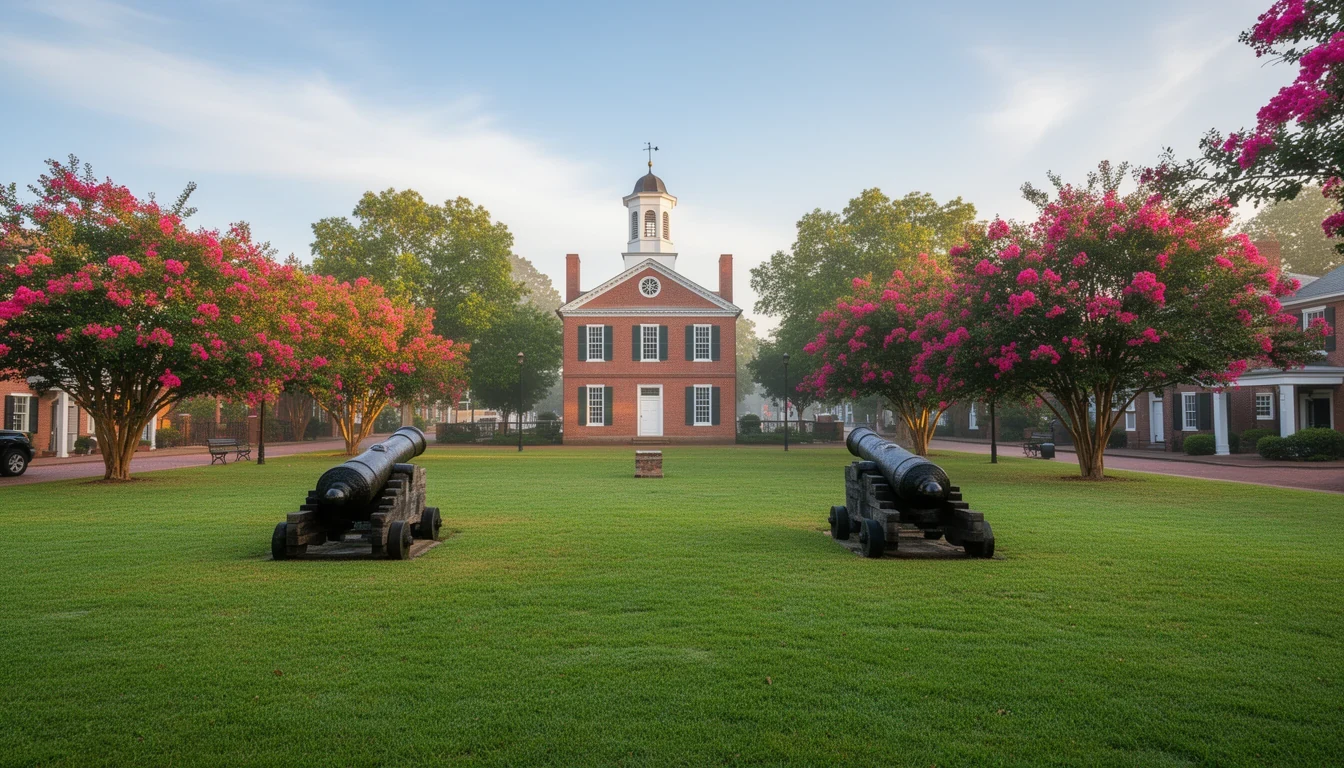
The history is thick and specific. Edenton started in 1712 as the town on Queen Anne’s Creek and took its current name in 1722 from Governor Charles Eden. It served as North Carolina’s colonial capital until 1743. The courthouse you passed went up in 1767 and still stands on its green, two cannon out front. The Cupola House dates to 1758. On October 25, 1774, Penelope Barker and 51 other women signed a resolution to boycott British tea and cloth, one of the earliest organized political acts by women in the colonies.
Daily life here bends toward the water and the calendar. You’ll see the same faces at the Saturday farmers market and at Rotary. Summer smells like crape myrtle, cut grass, and fish frying somewhere downtown. Winter turns gray and still, with ducks rafting up in the creeks. The Edenton National Fish Hatchery is a good walk and a good spot to watch ospreys fish.
Honest trade-off: not everything is five minutes away. For a big grocery run, a full slate of medical specialists, or a big-box store, you drive. Elizabeth City is about 40 minutes northeast, Greenville an hour west, Chesapeake about an hour north. The job market is thin unless you work remotely, farm, or land one of the manufacturing and health care jobs around town. July humidity and mosquitoes are real, and from August through October you watch the forecast.
What you get in exchange is a town where the architecture, the water, and the seasons still line up. You can buy within a few blocks of the courthouse green, learn your neighbors’ dogs by name, and eat lunch looking out at a bay that’s been working since 1712. People don’t move to Edenton to be busy. They move here to be somewhere specific.
Keep reading
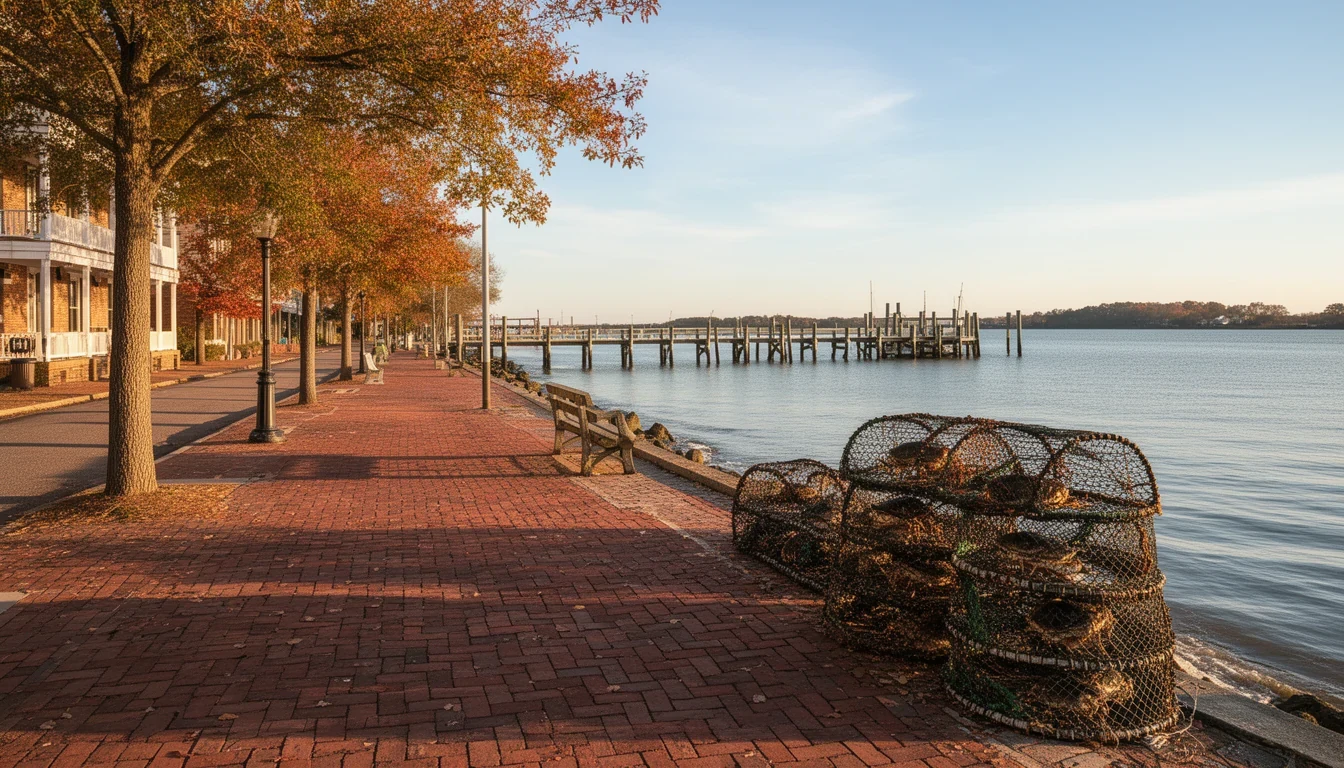
Edenton's Working Waterfront and 1767 Courthouse
Brick sidewalks, salt marsh on the wind, and the 1767 courthouse green: what daily life on Edenton Bay actually feels like, and what it costs.
The Edenton Waterfront, Where the Day Runs on Water Time
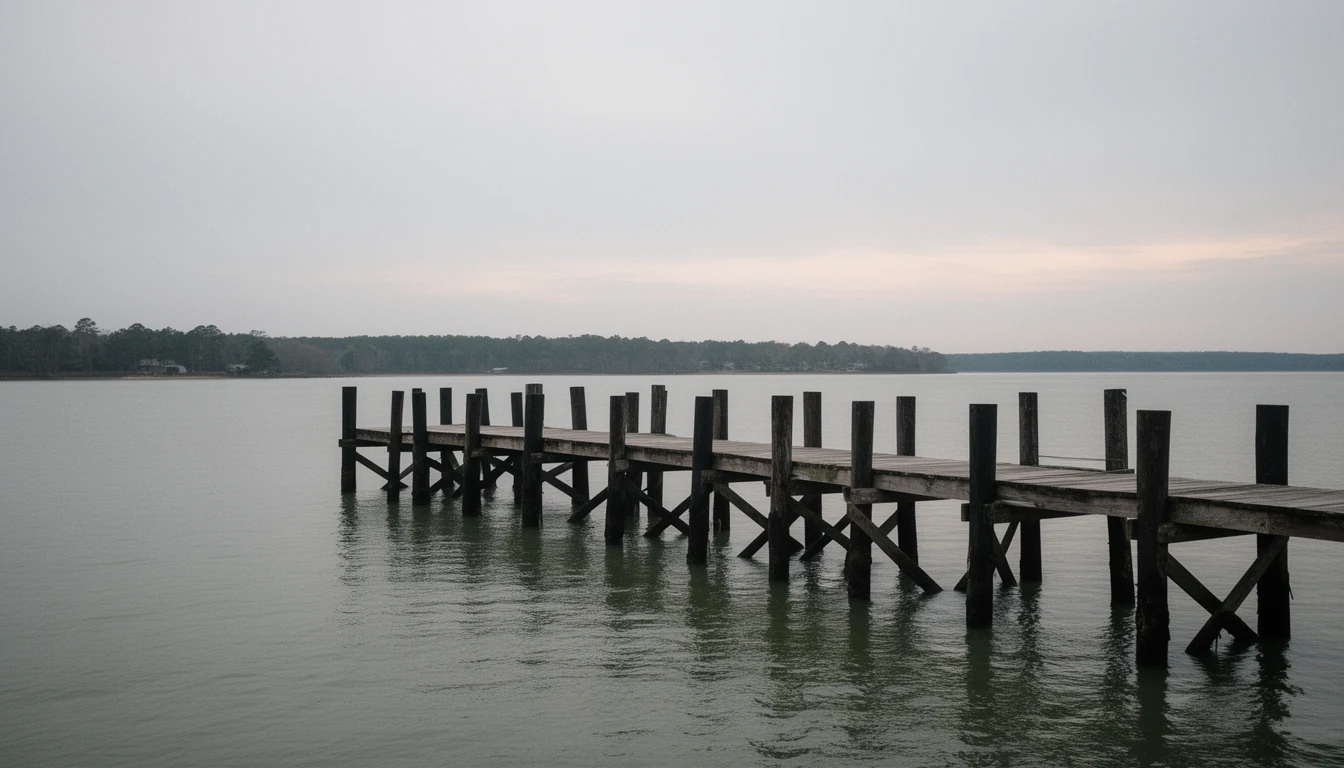
A weathered pier at the foot of Broad Street, gray-green Albemarle Sound at first light, and what living on water time actually costs.
Edenton Postpones Four Development Hearings
Edenton council pulled all four development items Oct. 26, including the 168-unit Beechwood plan and data center rules. No hearing dates were set.